Smart-contract blockchain simulator
The first blockchain simulator used in Georgian legal education: students execute and inspect simulated smart-contract transactions rather than reading about them.
Active
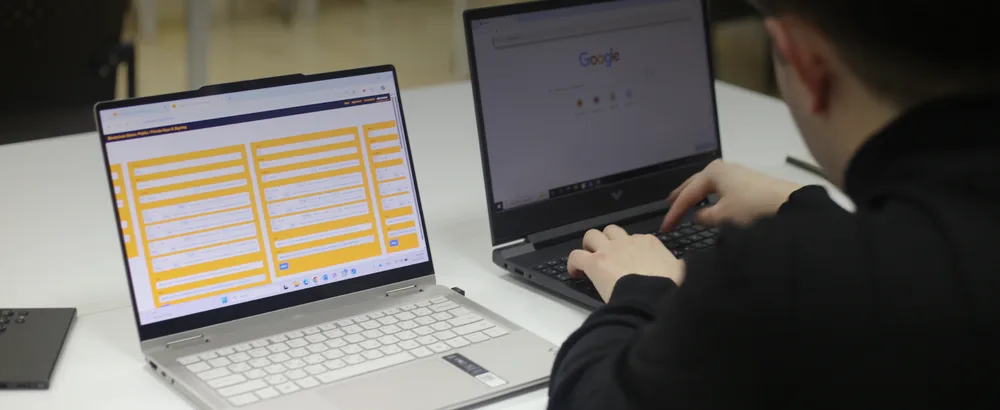
Understanding blockchain and smart contracts can be difficult for law students when the subject is taught only through text and theory. Before students can assess how smart contracts may work in practice, they need to understand how a blockchain records and verifies transactions.
To make these concepts easier to understand, the Lab introduced a smart-contract blockchain simulator into classroom teaching, with technical support from the infrastructure of LegalTech Lab. The simulator allows students to see, experiment with and simulate transactions, while also introducing the basic principles behind blockchain technology, including cryptographic hashing and public and private key pairs.
What students do with it
Students use the simulator in practical assignments to model smart-contract transactions in different industries, including real estate transfers and maritime shipments. They then assess where smart contracts can offer real advantages over conventional contracting and where traditional approaches may still be more appropriate.
The simulator turns an abstract technical concept into something students can see and work with. This helps law students develop a practical understanding of the technology and provides a stronger basis for working with students and professionals from IT and business.